Close note, overnight guest message, vendor exception, staff reminder, or repeated location issue.

Manager briefs, daily exceptions, and multi-unit consistency
Restaurant OS
Turn last night's restaurant notes into this morning's manager brief.
Pulse organizes close notes, guest messages, vendor exceptions, invoice or inventory gaps, and staff reminders into a 7 AM brief with the owner and next decision visible. Managers still choose replies, refunds, comps, vendor calls, purchasing reviews, inventory record changes, and staff messages; Pulse makes the morning easier to review.
Where to start
See what Pulse can automate
Use this page to choose the first restaurant handoff by looking at a concrete service-day artifact, not a broad automation promise.
Missing entree | GM | today | recovery before lunch | draft reply | refund or comp decision.
Guest reply, refund, comp, vendor escalation, purchasing review, inventory-record decision, staff message, policy exception, or area review stays with the restaurant team.
Operator, GM, area manager, or multi-unit owner sees the view that matches their decision rights.
Send one redacted restaurant handoff with source, role, service impact, and manager-owned decision.
See it in action
Choosing the first manager brief
A narrated walkthrough of how Pulse turns morning noise, including guest messages, shift notes, vendor issues, and follow-up drafts, into a 7 AM manager brief before service starts. The manager still owns every send, edit, and escalation.
A restaurant-specific guide for picking a manager-owned starting point.
What Pulse starts with
Service-day artifacts for the Manager Control Brief
Use one concrete, redacted artifact to choose a focused first brief instead of trying to redesign the whole service day or imply a direct system connection, POS connection, or inventory connection at once.
7 AM brief row
Close note from the prior shift
Guest recovery message before open
Vendor delivery, invoice, quality, or stock exception
Shift source: manager log, shared note, message, invoice, or inventory snapshot
Staff reminder for pre-shift
Area manager pattern note
Manager review owner

Assistant capability
Manager Brief Planner
Manager-friendly, service-day specific, and explicit about decision ownership.
Manager Brief planner
Restaurant manager or area manager
Redacted guest messages, close notes, vendor exceptions, staff reminders, and manager-reviewed service-day context.
Guest replies, refunds, comps, vendor escalation, staff communication, policy exceptions, and area-manager review stay with restaurant leaders.
Allowed
- Help choose a first manager-owned handoff.
- Shape a 7 AM brief, guest recovery draft, vendor exception summary, or staff reminder path.
- Name the manager decision and source boundary.
- Route one restaurant handoff to start intake.
Stops and handoffs
- Automatically reply to guests, issue refunds, offer comps, or escalate vendors.
- Replace manager judgment for staff, policy, guest, money, or area-review decisions.
- Invent restaurant metrics, brand marks, quotes, or customer proof.
Prepare a restaurant workflow plan from one redacted service-day example, manager owner, source, decision, stop point, and next brief or follow-up path.
How it works
Restaurant manager brief review path
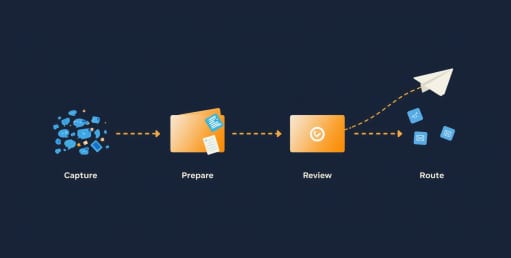
- 01
Moment
Find the close note, guest recovery message, vendor exception, staff reminder, or area pattern.
- 02
Brief
Put the issue into a 7 AM row with source, owner, priority, service impact, suggested response, manager decision, and deadline.
- 03
Decision
Keep replies, refunds, comps, vendor escalation, staff communication, and policy exceptions with managers.
- 04
Handoff
Decide whether the first output should be a brief row, recovery path, exception summary, or area review.

Example in plain English
Sample manager brief
A practical opening view for the restaurant issues that need a manager before service starts.
What Pulse helps with
Artifacts for review

7 AM manager brief
Input close notes and overnight messages; output open items with owners, priority, service impact, and manager decisions.
View 7 AM manager brief
Guest recovery drafts
Prepare response language while managers keep guest replies, refunds, and comps under their control.
View Guest recovery drafts
Shift handoffs
Turn closing notes into next-shift context with owner, status, service risk, and pre-shift reminder.
View Shift handoffs
Vendor follow-up
Summarize delivery, invoice, quality, and stock issues so managers can decide escalation, purchasing review, or whether an inventory record needs a human update.
View Vendor follow-up
POS and inventory source labels
Treat POS and inventory as generic source categories until the source boundary, proof label, and connection readiness are approved; do not imply a live connection or record write.
View POS and inventory source labels
Area manager review
Surface recurring location operations patterns without burying area leaders in every note.
View Area manager reviewExamples to review together
Restaurant examples
Start with redacted service-day examples that show the source, owner, service impact, and manager decision.

Mock example
7 AM brief fields shown with representative mock values so managers can scan the layout before any real restaurant data is involved.
Redacted example
A service-day handoff with names, locations, and dollar amounts removed, used to align on the shape of the brief.
Pilot planning example
A manager-owned decision path mapped end-to-end to confirm where the reviewed step belongs before any production rollout.
Baseline planning example
Current issue volume, review burden, source owner, and expected outcome captured as planning context, not public performance proof.

What stays reviewed
Manager decision controls
The first workflow can be practical while managers keep guest, vendor, staff, money, source expansion, and policy decisions.
The first workflow can draft recovery language, but managers choose guest replies, refunds, and comps.
Vendor exception support can organize delivery, invoice, quality, and stock context while managers decide escalation, purchasing review, and inventory record changes.
Pre-shift reminders and staff-facing messages stay with the manager responsible for the location.
POS, inventory, order, cost, sales, and vendor details stay under review, example-only, customer-cleared, or approved for public use before the page names them as usable sources; source labels do not mean write access.
Restaurant examples should show how the first workflow is chosen and where the manager decision remains.
Volume, review time, exception frequency, and manager burden can be captured for planning without becoming performance claims.
Examples stay redacted unless the restaurant team approves the exact detail.
Next steps
Choose the next useful action



Buyer clarity
Pulse Restaurant OS buying questions answered in one place.
Use this section to confirm fit, expected deliverable, proof standard, existing-tool fit, and what remains human-owned.
Buying snapshot
Pulse Restaurant OS: what a buyer should know before contacting Pulse.
A concise buying frame keeps the page tied to fit, artifact, scope, timeline, and accountable review before the next conversation.
Best forBuyer
Restaurant teams managing guest recovery, shift notes, vendor exceptions, and daily manager decisions.
Start withFirst use case
One close note, guest issue, vendor exception, staffing reminder, or manager follow-up that should appear in the morning brief.
You receiveArtifact
7 AM manager brief row with source, owner, service impact, suggested response, and manager decision field.
What to sendInput
Redacted shift note, guest message, vendor issue, manager log, source label, and the decision the manager keeps.
Human-ownedDecisions
Refunds, comps, guest replies, staffing changes, vendor escalation, policy exceptions, and service-day decisions.
TimelineTypical first step
A first brief can be shaped from one handoff; multi-location rollout depends on source consistency and manager review cadence.
Pricing scopeDrivers
Location count, handoff types, POS or inventory source labels, manager review depth, and daily cadence support.
Proof-safe example
Inspect the artifact before trusting the claim.
Pulse proof should start with redacted or sample source material, a concrete artifact, and the human decision that remains outside automation.
InputSafe example
A redacted close note or guest/vendor follow-up from the previous shift.
ArtifactPrepared output
Morning manager brief row with source, owner, service impact, suggested next step, and manager decision.
ReviewWhat people decide
The manager decides what to send, comp, escalate, or hold before service starts.
Existing-tool fit
Pulse works around the systems you already use.
The practical question is what stays in the current system, what Pulse drafts for owner review, and where automation must stop.
KeepExisting tools
Keep POS, scheduling, inventory, accounting, and restaurant management systems for records and transactions.
Use Pulse forReviewed handoffs
Use Restaurant OS to prepare manager-ready handoffs across notes, messages, invoices, logs, and existing systems.
Do not use Pulse forBoundary
Do not position Pulse as the POS, accounting system, inventory system, or automatic manager decision-maker.
Sample briefRestaurant OS
Get a sample 7 AM Restaurant brief in your inbox.
What happened overnight, what is still open, and what needs a decision today, sourced from POS, reservations, vendor inbox, reviews, and close-out notes.
Check your inbox — your sample operating brief is on the way.
We couldn’t capture that. Email hello@pulsebusiness.ai instead.
One brief, no spam.
Next step
Send one restaurant handoff, not the whole operating model.
You now know the starting artifact: a 7 AM brief row or redacted service-day handoff with source, role, service impact, and manager-owned decision.